Green Interior Design: Creating Sustainable, Healthy, and Exceptionally Stylish Spaces
Green interior design blends style, sustainability, and wellness. This blog guides space owners through practical yet elegant ways to use eco-conscious materials, improve indoor air quality, and build long-lasting, energy-efficient interiors.
In an era where environmental consciousness is paramount, green interior design has emerged as a vital approach to creating living and working environments that are not only aesthetically pleasing but also deeply rooted in sustainability and occupant well-being. Far more than a fleeting trend, eco-friendly interior design is a holistic philosophy that seeks to minimise negative environmental impact while enhancing the health and comfort of those who inhabit the space. By thoughtfully integrating sustainable materials, optimising energy and water use, improving indoor air quality, and connecting with nature through biophilic principles, we can design interiors that are both beautiful and responsible.
What is Green Interior Design?
Green interior design, often referred to as sustainable or eco-friendly design, is an approach to designing interior spaces that prioritises environmental sustainability, resource efficiency, and the health of occupants. It involves a comprehensive consideration of the entire lifecycle of materials and products used, from sourcing and manufacturing to installation, use, and eventual disposal or recycling. The core goal is to create spaces that are visually appealing and functional while actively reducing their ecological footprint and promoting a healthier indoor environment.
The Pillars of Sustainable Interior Design
Implementing green interior design involves focusing on several interconnected areas:
1. Sustainable material selection
The choice of materials is fundamental. Green design favours materials that are:
Renewable: Sourced from resources that can be replenished naturally at a rate equal to or faster than they are consumed (e.g., bamboo, cork, wool, cotton – preferably organic)
Recycled or reclaimed: Giving new life to materials that would otherwise end up in landfills, such as reclaimed wood from old buildings, recycled glass, post-consumer recycled plastic, or recycled metal.
Locally sourced: Reducing the environmental impact associated with transportation over long distances.
Durable: Select long-lasting materials to reduce the need for frequent replacements and minimise waste.
Produced responsibly: Select products from ethical sources with minimal pollution.
Low impact: Materials that require less energy and water to produce and generate fewer harmful byproducts.
2. Energy efficiency
Cutting energy use is good for the environment and your bills. Key strategies include:
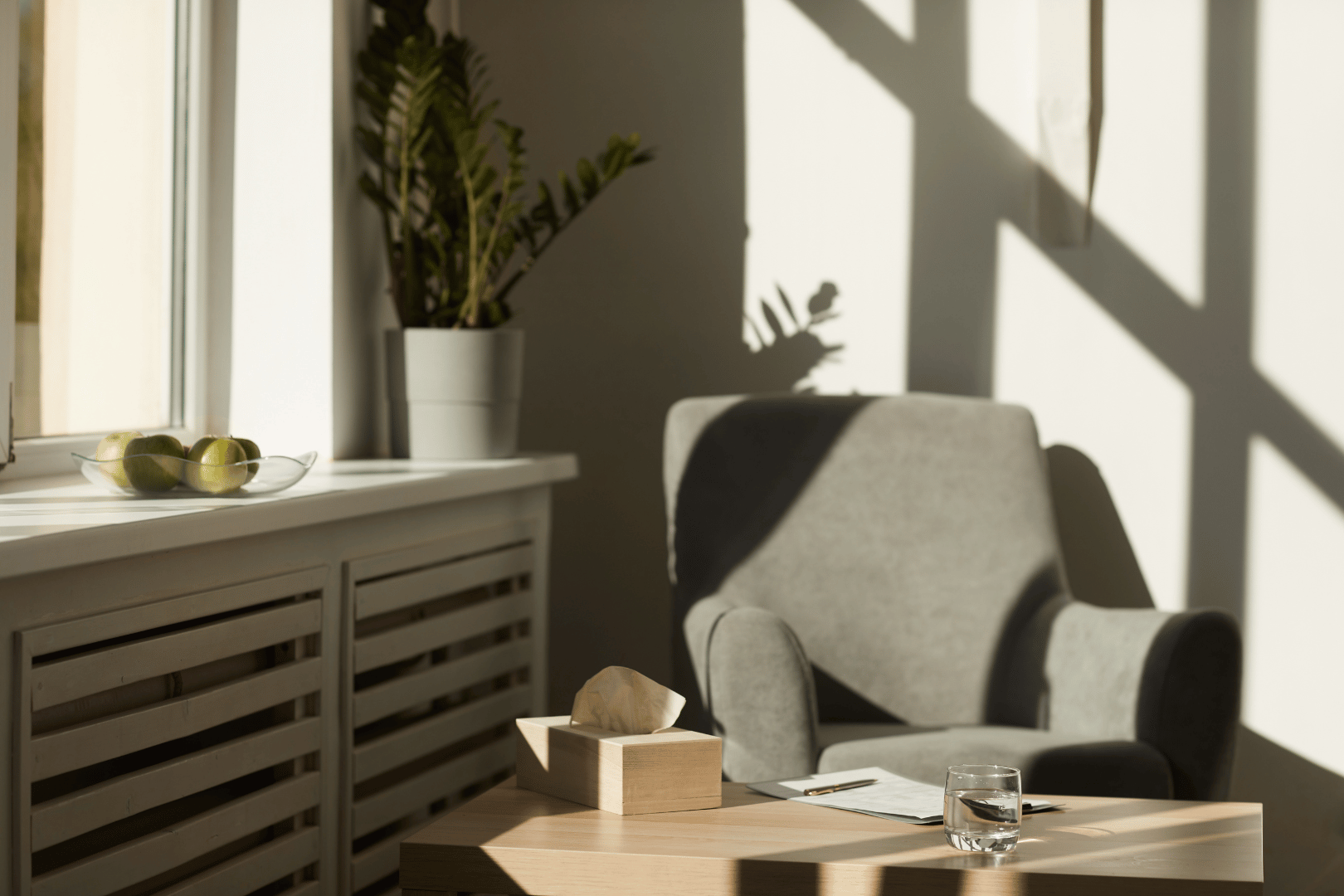
Maximising natural light: Utilising large windows, skylights, and reflective surfaces to reduce the need for artificial lighting during the day.
Energy-efficient lighting: Installing LED bulbs and fixtures, which consume significantly less energy and have a much longer lifespan than incandescent bulbs.
Smart home technology: Implementing smart thermostats, lighting controls, and energy management systems to optimise energy usage based on occupancy and time of day.
Proper insulation and window treatments: Improving the building envelope's thermal performance to reduce heating and cooling needs.
3. Water conservation
Saving water is easier than you think. Consider:
Low-flow fixtures: Installing low-flow faucets, showerheads, and toilets significantly reduces water consumption without compromising performance.
Water-efficient appliances: Choosing washing machines and dishwashers with high water efficiency ratings.
4. Indoor air quality (IAQ)
Creating a healthy indoor environment free from harmful pollutants is crucial. Green design promotes good IAQ by:
Using low-VOC and non-toxic finishes: Selecting paints, varnishes, adhesives, and finishes that emit minimal or no Volatile Organic Compounds (VOCs), which can cause respiratory problems and other health issues.
Natural ventilation: Facilitate natural airflow to bring in fresh air and expel stale air.
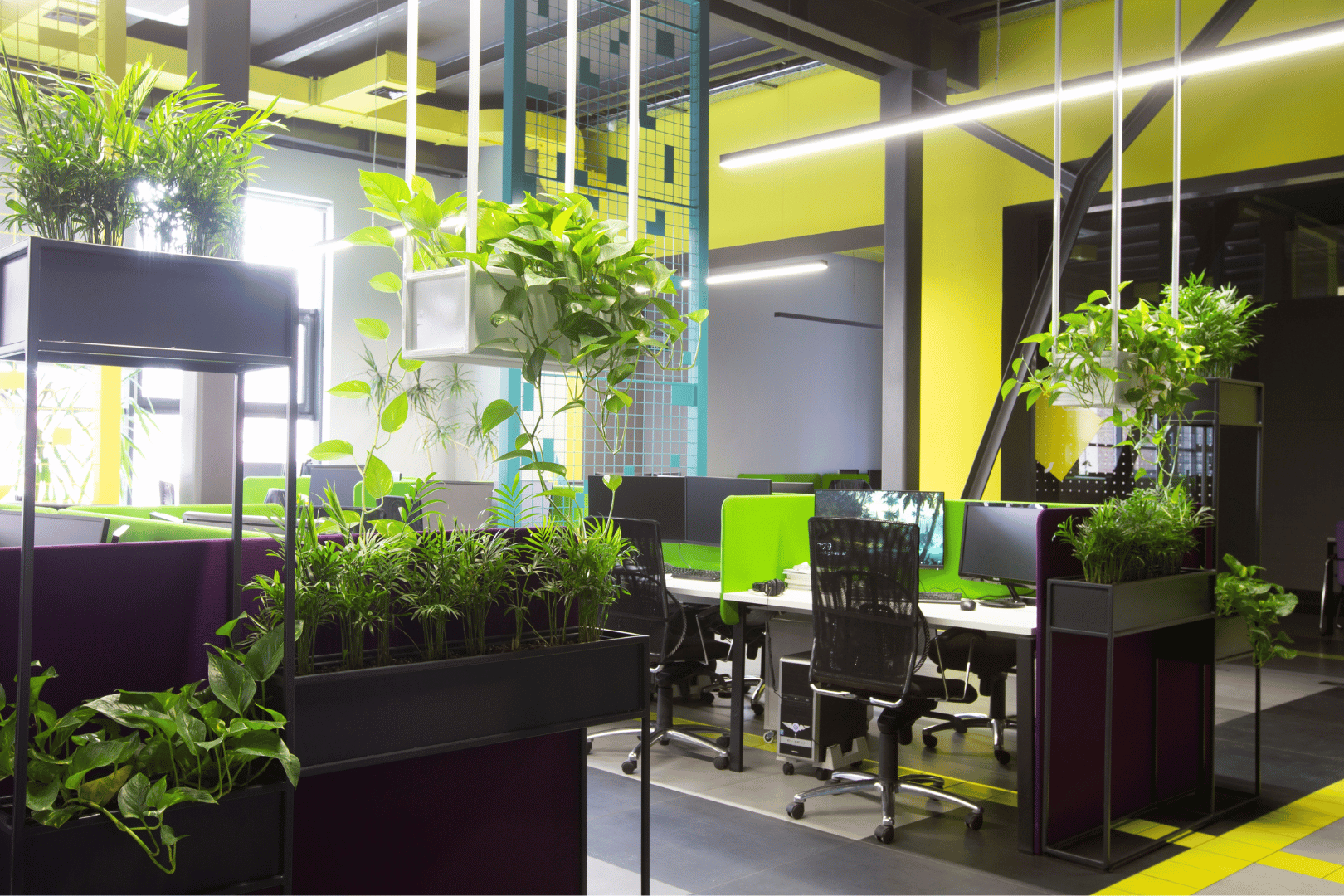
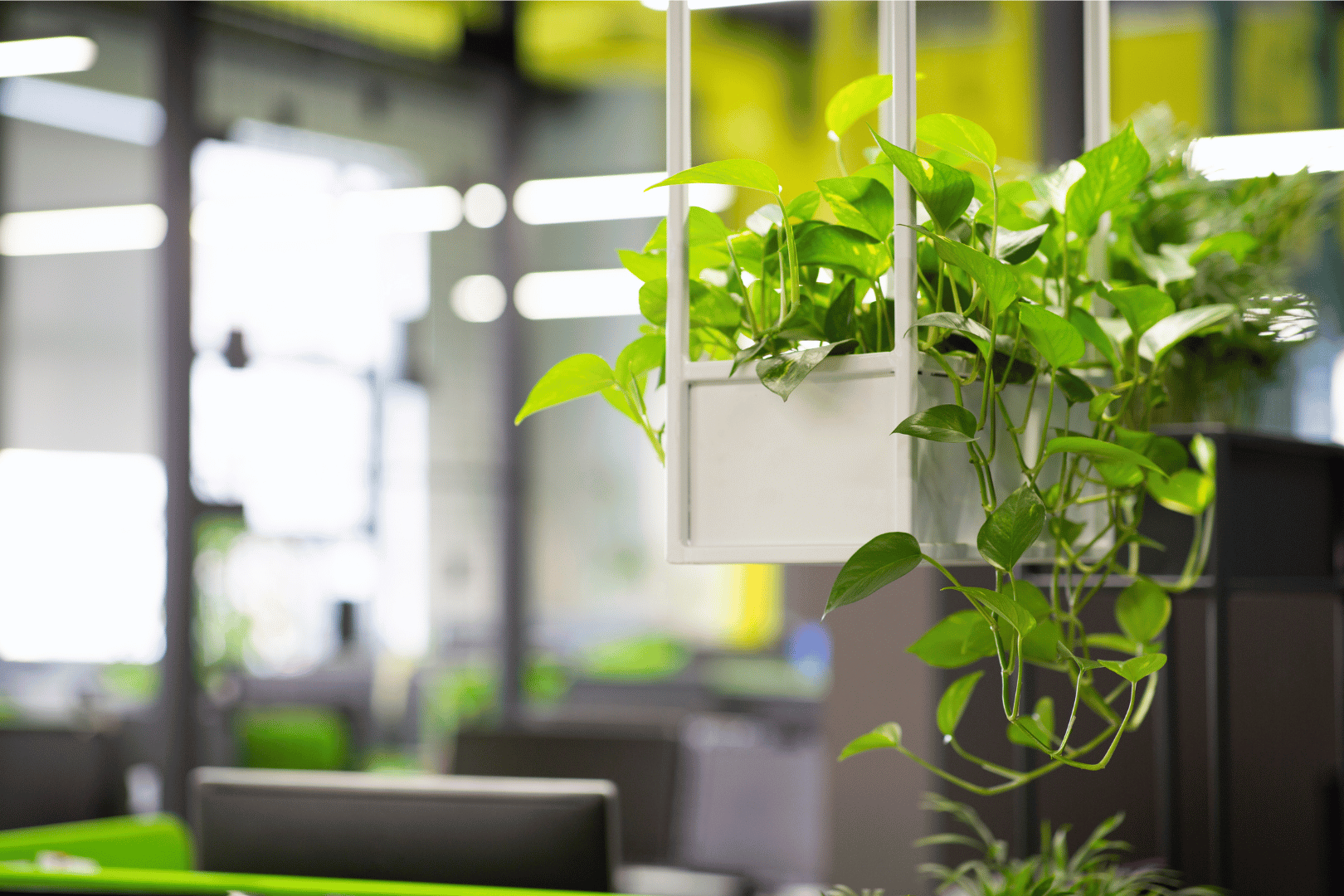
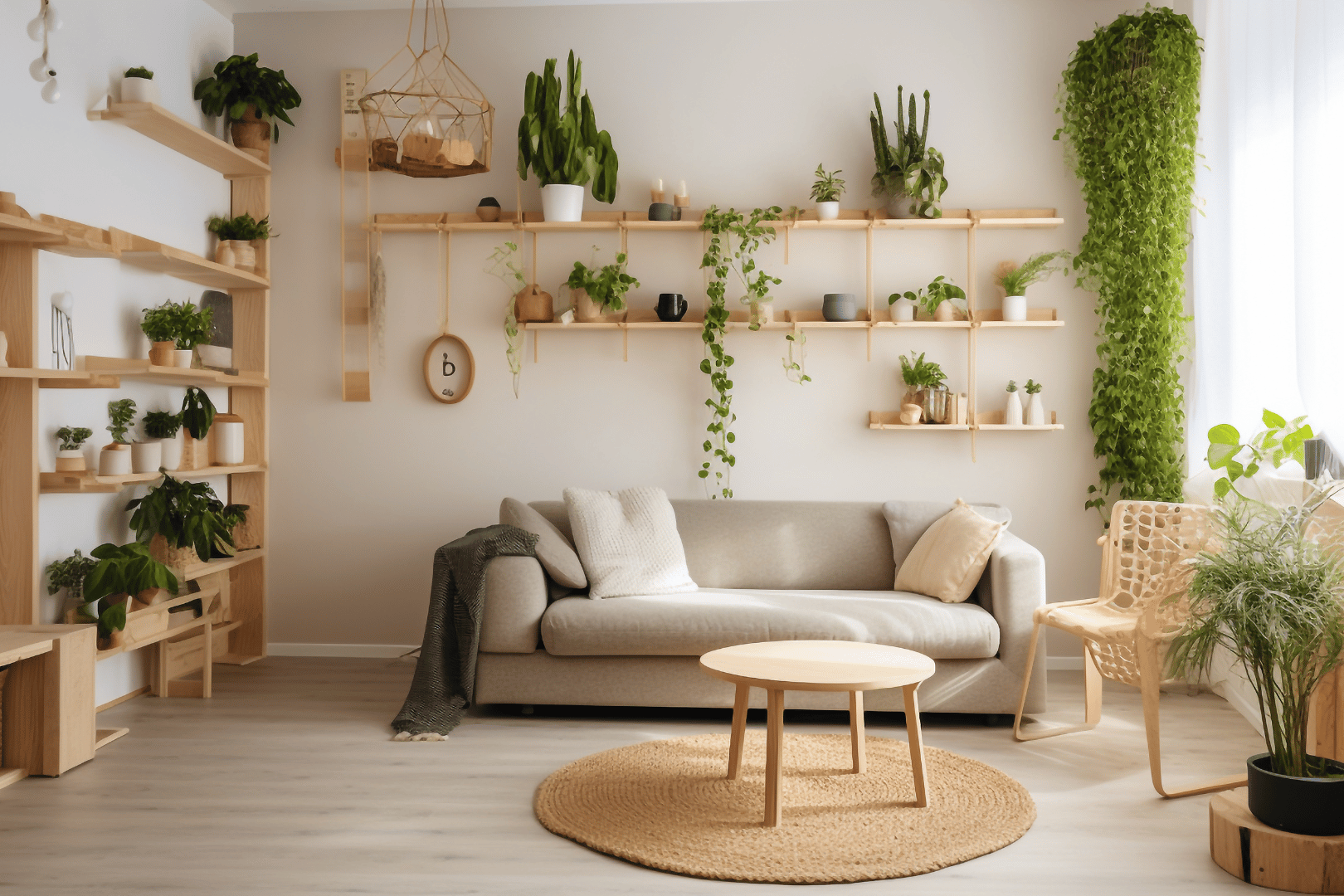
Air-purifying plants: Incorporating indoor plants known for their ability to filter toxins from the air.
Avoiding off-gassing materials: Choosing furniture and building materials that do not release harmful chemicals over time.
5. Biophilic design
Integrating elements of nature into the built environment has proven benefits for physical and mental well-being. Biophilic design principles include:
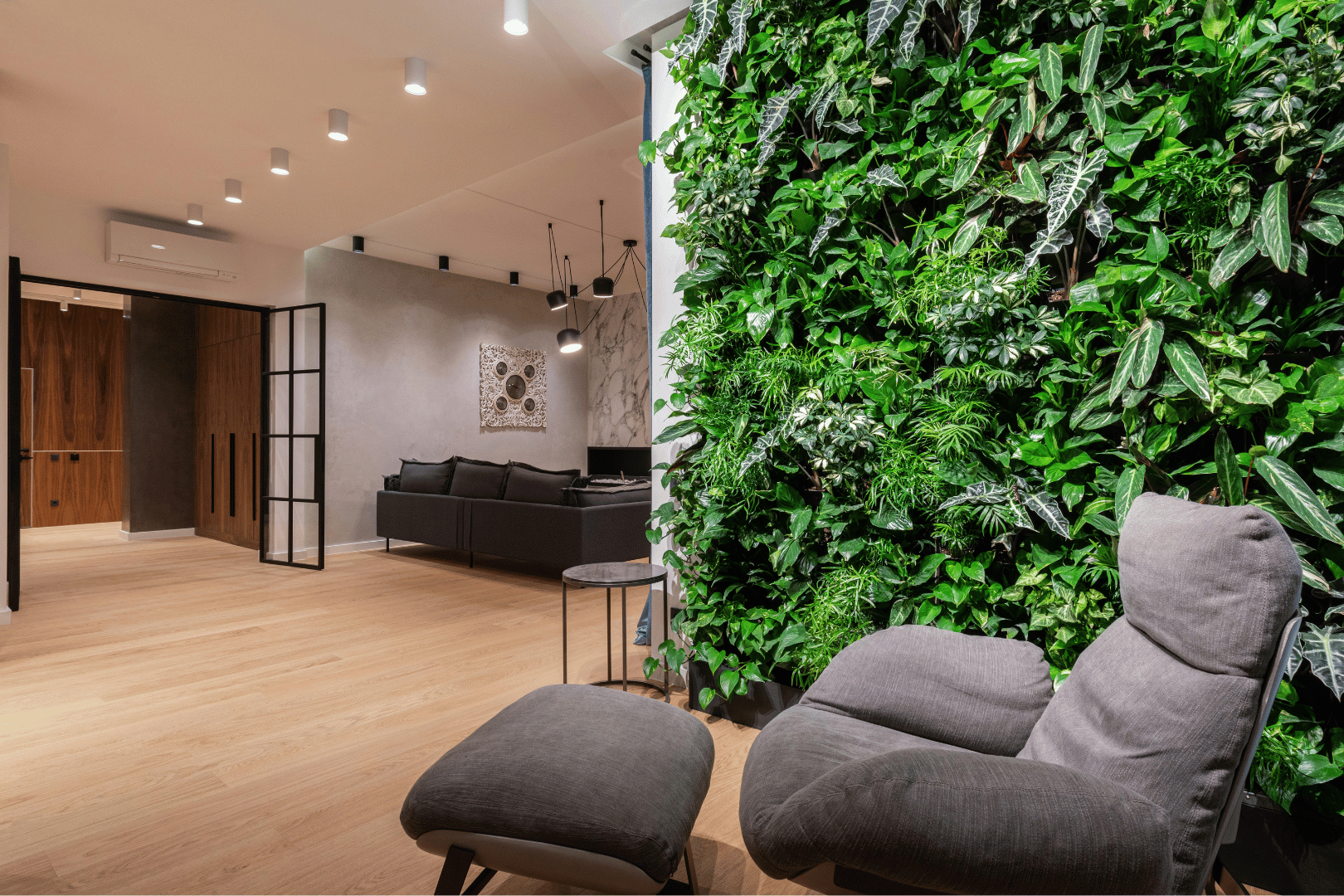
Direct connection to nature: Incorporating indoor plants, green walls, and water features.
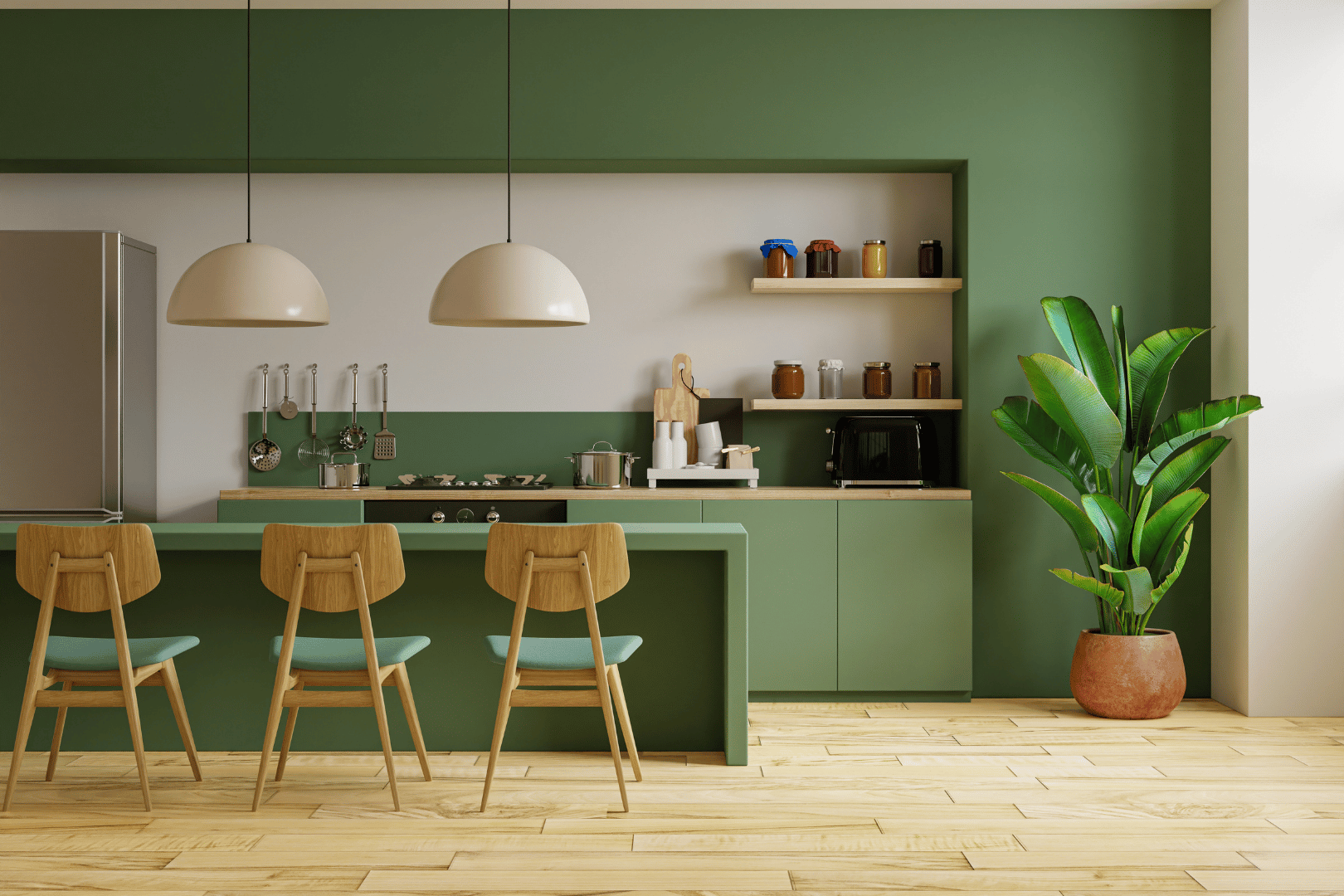
Indirect connection to nature: Using natural materials, patterns, textures, and colours that mimic those found in nature.
Views of nature: Maximising views of the outdoors and natural landscapes.
Natural light and airflow: Designing spaces that provide access to natural light and ventilation.
The Benefits of Embracing Green Interior Design
Opting for green interior design offers a multitude of advantages:
Environmental protection: Reducing waste, conserving resources, lowering energy consumption, and minimising pollution.
Long-term cost savings: Lower energy and water bills, and reduced maintenance costs due to durable materials.
Enhanced aesthetics and value: Sustainable materials often have unique beauty, and green features can increase property value.
Ethical and responsible living: Contributing to a more sustainable future for everyone.
Small Choices, Big Impact
Green design does not require a complete overhaul, just a thoughtful approach. Whether it is a fresh coat of low-VOC paint or a full renovation, Pure Space helps you make decisions that feel right for you and better for the environment.